



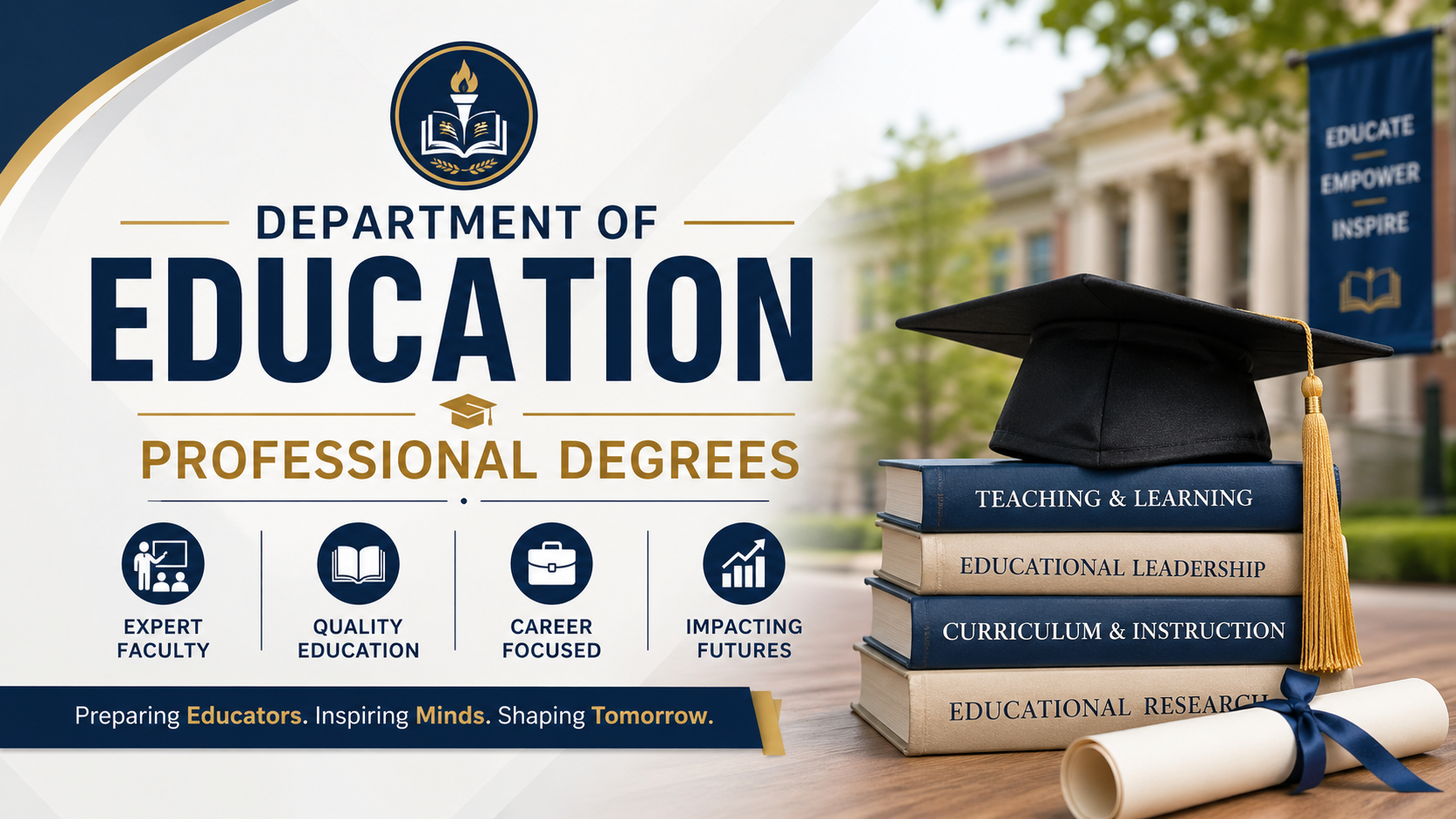
In today’s rapidly evolving job market, obtaining a professional degree is often the key to unlocking new career opportunities. The Department of Education (DOE) offers a range of professional degrees designed to equip individuals with the specialized knowledge and skills required to succeed in various industries. Whether you are just starting your career or looking to advance in your current role, these degrees can play a pivotal role in your professional development. In this article, we will explore the significance of Department of Education professional degrees, the various types available, the benefits they offer, and how to choose the right one to enhance your career trajectory.
Understanding the Role of the Department of Education in Professional Degrees
The Department of Education (DOE) plays a crucial role in shaping the educational landscape by setting standards for professional degree programs. It ensures that institutions offering such programs meet rigorous academic and professional requirements, helping students acquire the skills necessary to excel in their careers. The DOE also oversees accreditation, ensuring that degree programs maintain high educational standards, which ultimately impacts the quality of the workforce.
Types of Professional Degrees Offered by the Department of Education
Professional degrees come in various forms, each catering to different career paths. The Department of Education provides degrees that are directly aligned with specific professions, offering tailored curriculums that combine theoretical knowledge with practical skills. Some of the most common types of professional degrees include:
- Master’s Degrees: These advanced degrees are typically pursued after completing a bachelor’s degree and often focus on specialized knowledge in a particular field. Examples include Master of Education (M.Ed.), Master of Business Administration (MBA), and Master of Social Work (MSW).
- Doctoral Degrees: These are the highest levels of academic achievement and are designed for individuals looking to conduct advanced research or assume leadership positions in their respective fields. Doctoral programs include Doctor of Education (Ed.D.), Doctor of Philosophy (Ph.D.), and Doctor of Business Administration (DBA).
- Certification Programs: These short-term programs are designed to provide specialized training in a particular area of education or professional development. Examples include teacher certifications, counseling certifications, and healthcare certifications.
- Licensure Programs: Many professions, such as law, medicine, and teaching, require licensure before individuals can practice in the field. The Department of Education oversees licensure programs, ensuring that individuals meet the necessary educational requirements to obtain licensure in their profession.
The Importance of Professional Degrees in Career Advancement
Obtaining a professional degree can significantly enhance an individual’s career prospects. Here’s why:
Specialization and Expertise
Professional degrees are designed to provide in-depth knowledge and practical experience in a specific field. This specialized training allows individuals to develop expertise that is highly valued by employers. For example, a Master of Education (M.Ed.) degree equips educators with advanced teaching strategies, while an MBA provides business professionals with a comprehensive understanding of management and leadership.
Enhanced Earning Potential
One of the most compelling reasons to pursue a professional degree is the potential for higher earnings. According to the U.S. Bureau of Labor Statistics, individuals with advanced degrees generally earn more than those with only a bachelor’s degree. For example, the median annual wage for someone with a professional degree in healthcare or law is often significantly higher than that of individuals with a bachelor’s degree in a non-professional field.
Career Mobility and Job Security
A professional degree can also increase job security by making individuals more competitive in the job market. Many employers require advanced degrees for positions of greater responsibility, and professionals with such degrees are often in high demand. Moreover, obtaining a professional degree can open doors to leadership roles, management positions, and specialized fields that offer long-term career growth.
Opportunities for Networking and Mentorship
Pursuing a professional degree provides opportunities for individuals to expand their professional network and connect with industry leaders, peers, and mentors. These connections can be invaluable in advancing one’s career, whether through job referrals, professional advice, or access to exclusive job openings.
Choosing the Right Department of Education Professional Degree
Selecting the right professional degree is a critical decision that can have a lasting impact on your career. Here are some factors to consider when making this important choice:
Personal Interests and Career Goals
Before choosing a professional degree, it’s essential to assess your personal interests and long-term career goals. Consider whether you enjoy working in a specific field and what kind of career you envision for yourself. For example, if you’re passionate about education, a Master’s or Doctoral degree in Education may be ideal. If you’re interested in business, pursuing an MBA could align better with your aspirations.
Program Accreditation and Reputation
When selecting a professional degree program, it’s crucial to choose a reputable institution that offers accredited programs. Accreditation ensures that the program meets high educational standards and that your degree will be recognized by employers. Research the rankings and reputation of the institution, as well as the success rate of its graduates.
Flexibility and Delivery Mode
Many professional degree programs offer flexible learning options, such as online courses or evening classes, which can be especially beneficial for individuals who are working while pursuing their degree. Determine whether the program offers the flexibility you need to balance your studies with your professional and personal responsibilities.
Financial Considerations
The cost of obtaining a professional degree can vary significantly depending on the institution and program. It’s important to evaluate the potential return on investment (ROI) of the degree by considering factors such as average salaries in your chosen field, job demand, and career advancement opportunities. Additionally, explore scholarship and financial aid options that may help reduce the financial burden of pursuing a professional degree.
The Benefits of Earning a Department of Education Professional Degree
Improved Job Prospects
Professional degrees provide individuals with the skills and knowledge that employers seek in potential candidates. Having a professional degree on your resume can make you stand out in a competitive job market and improve your chances of securing a position in your chosen field.
Career Advancement
For individuals already working in a particular profession, obtaining a professional degree can accelerate career growth. Many organizations promote employees who have advanced educational qualifications, and a professional degree may be the key to moving up the corporate ladder or taking on higher-level responsibilities.
Personal Fulfillment and Achievement
Pursuing a professional degree can also provide personal satisfaction and a sense of accomplishment. The process of earning an advanced degree requires hard work, dedication, and perseverance, and completing a program can be a source of pride. For many individuals, earning a professional degree is a personal milestone that reflects their commitment to their career and professional development.
The Future of Department of Education Professional Degrees
As industries continue to evolve, the demand for highly skilled professionals will only increase. The Department of Education is continually working to enhance the quality and accessibility of professional degree programs, ensuring that individuals are well-prepared for the challenges of the modern workforce. With advancements in technology and changes in workplace dynamics, professional degrees will continue to play a crucial role in equipping individuals with the necessary skills to thrive in their careers.
Conclusion
In conclusion, obtaining a Department of Education professional degree can significantly enhance your career prospects, provide specialized knowledge, and open doors to new opportunities. Whether you are looking to advance in your current profession or change careers entirely, a professional degree can be a valuable asset. By choosing the right program and institution, you can invest in your future and unlock a wealth of career advancement opportunities.