



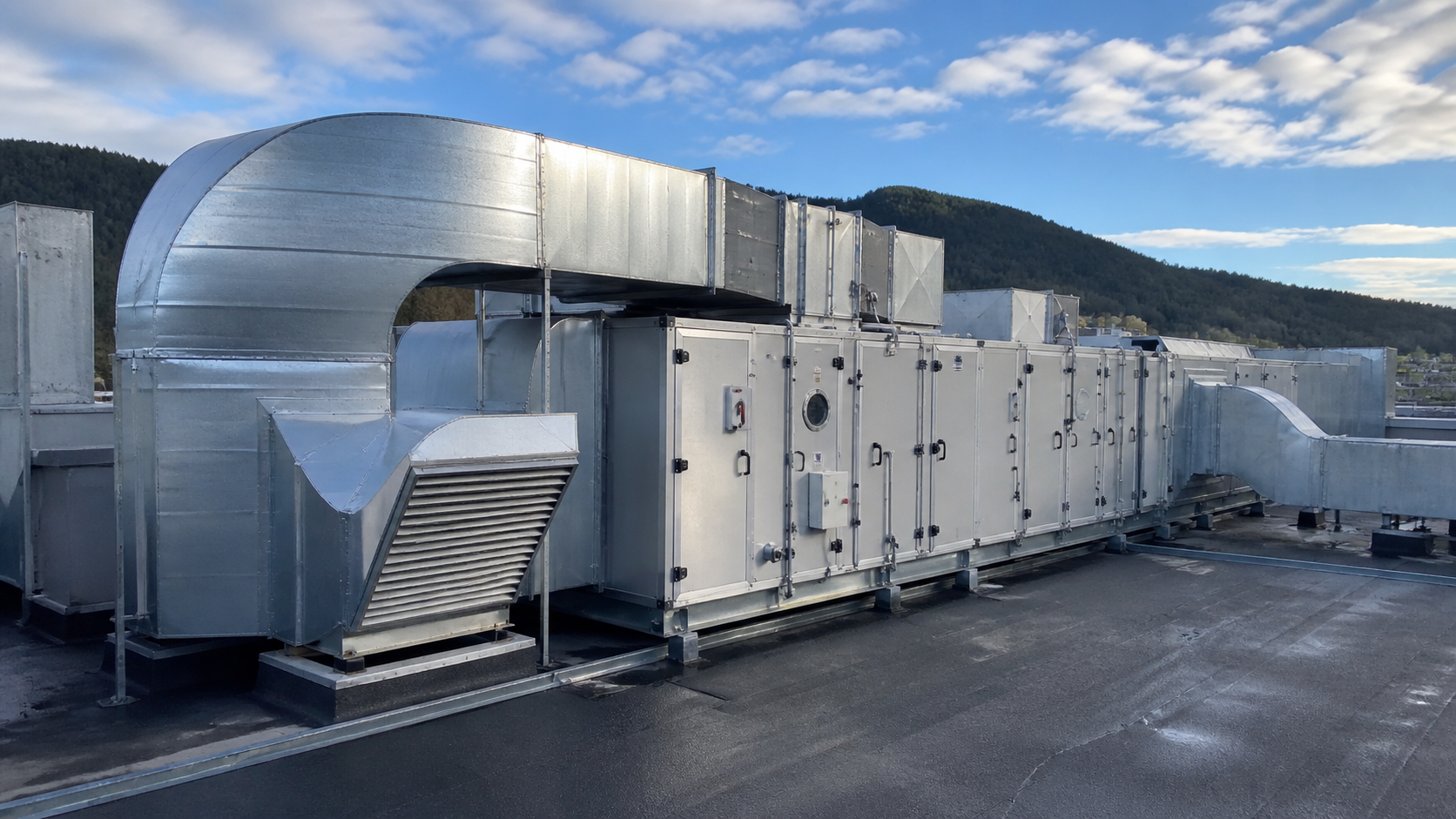
Air systems, known as luftanlegg in Norwegian, are crucial for maintaining indoor air quality and comfort. Whether for commercial establishments or residential properties, luftanlegg systems are designed to regulate air circulation, temperature, and humidity to ensure a healthy, comfortable, and productive environment. In this comprehensive guide, we will delve into the importance, types, benefits, and installation of luftanlegg, offering valuable insights for both businesses and homeowners looking to enhance their indoor air systems.
What Is Luftanlegg?
At its core, luftanlegg refers to any system used to circulate and treat the air within a given space. In businesses and homes alike, these systems play a pivotal role in maintaining the comfort of occupants by regulating temperature, air quality, and humidity levels. Luftanlegg systems consist of a series of interconnected components, including ducts, air handling units, filters, fans, and temperature control devices that work together to create an optimal indoor climate. They are typically divided into two categories: heating, ventilation, and air conditioning (HVAC) systems and ventilation-only systems.
For both commercial and residential properties, luftanlegg can significantly impact overall air quality, energy efficiency, and environmental comfort. These systems help ensure that the air people breathe indoors is clean, safe, and well-regulated, which is particularly important in environments with high foot traffic or vulnerable occupants such as children or the elderly.
The Importance of Luftanlegg in Modern Buildings
The evolution of modern architecture and the demands of contemporary living have led to an increasing reliance on sophisticated air systems. In the past, buildings were often designed with natural ventilation methods such as windows and vents. However, with energy efficiency becoming a priority and the need for better indoor air quality rising, more buildings are now equipped with advanced luftanlegg systems.
One of the primary reasons luftanlegg systems have gained such widespread importance is their ability to provide controlled ventilation and temperature regulation. In modern homes and businesses, especially in densely populated areas, having access to fresh air is not always feasible without a mechanical ventilation system. Luftanlegg can filter and circulate fresh air while maintaining comfortable temperatures, ultimately improving productivity in workspaces and the well-being of individuals at home.
Types of Luftanlegg Systems for Businesses and Homes
There are several different types of luftanlegg systems, each designed for specific needs. Below, we break down the most common systems used in commercial and residential settings:
1. Mechanical Ventilation Systems
Mechanical ventilation systems, often referred to as ventilasjonssystemer, are designed to bring fresh air into the space and remove stale air. These systems typically consist of fans, ducts, and air handling units (AHUs). Mechanical systems can be either:
- Exhaust systems: These systems work by drawing out air from inside the building and releasing it outside, creating a vacuum that pulls fresh air in from openings such as windows or vents. They are often used in areas like bathrooms or kitchens where moisture and odors are generated.
- Supply systems: Unlike exhaust systems, supply systems actively introduce fresh air into the building while maintaining the internal air pressure. This method helps ensure that there is a constant influx of clean air, reducing the risk of indoor pollutants and allergens.
2. Heat Recovery Ventilation (HRV) Systems
Heat Recovery Ventilation (HRV) systems are a popular option for energy-efficient homes and commercial buildings. These systems use a heat exchanger to recover heat from exhaust air and transfer it to incoming fresh air, reducing the need for additional heating or cooling. HRVs are highly effective at maintaining good air quality while minimizing energy consumption.
Key Benefits of Luftanlegg Systems
1. Improved Indoor Air Quality
Indoor air quality (IAQ) is critical for health and productivity. Luftanlegg systems improve IAQ by filtering pollutants such as dust, pollen, and pet dander, preventing them from circulating throughout the building. Many modern systems come with high-efficiency particulate air (HEPA) filters that remove even the smallest particles from the air, making them ideal for homes with allergy sufferers or businesses where air quality is crucial for performance.
2. Energy Efficiency
Energy-efficient luftanlegg systems are designed to minimize energy use while maximizing comfort. Systems like HRVs or demand-controlled ventilation (DCV) can automatically adjust airflow to match the occupancy of a room, reducing unnecessary energy consumption. Moreover, by recovering heat or cooling, these systems can significantly lower heating and cooling costs over time, making them a wise investment for businesses and homeowners looking to save money.
3. Temperature Control and Comfort
In commercial spaces and homes, air systems maintain consistent temperatures, ensuring comfort throughout the year. By regulating airflow and air conditioning or heating, luftanlegg systems help prevent areas from becoming too hot or too cold, offering a more comfortable environment for occupants. In workplaces, this consistency can boost productivity and morale.
How Luftanlegg Systems Work
Luftanlegg systems operate through a network of ducts, fans, filters, and temperature controls that work in harmony to manage the air within a building. Here’s an overview of how these systems typically function:
- Air Intake: Fresh outdoor air is pulled into the system through vents or intakes.
- Filtration: The incoming air is passed through filters to remove dust, allergens, and other contaminants.
- Heating/Cooling: If necessary, the air is heated or cooled to reach the desired temperature.
- Air Distribution: Once conditioned, the air is distributed evenly throughout the building via a series of ducts.
- Exhaust: Stale, contaminated, or excess air is expelled through exhaust vents or exhaust fans.
Luftanlegg systems are designed to ensure optimal airflow throughout the building, preventing air stagnation and maintaining a balance between ventilation, heating, and cooling.
Considerations When Installing Luftanlegg
The installation of luftanlegg systems is a complex process that requires careful planning and attention to various factors such as building layout, airflow needs, and energy consumption. Here are some critical considerations for both businesses and homeowners:
1. Building Size and Design
The design of your building or home will play a significant role in determining the type of luftanlegg system you need. Larger spaces with multiple rooms or levels may require more advanced systems to ensure even air distribution. Additionally, the layout of the ducts and vents needs to be carefully planned to avoid obstructed airflow or inefficiencies.
2. Energy Efficiency Goals
Energy efficiency is often a primary consideration when choosing a luftanlegg system. Systems like HRVs and DCV can help optimize energy consumption by using advanced technology to regulate airflow based on demand. This not only reduces the carbon footprint but also leads to lower operational costs.
3. System Maintenance
Regular maintenance is crucial for ensuring the longevity and efficiency of luftanlegg systems. This includes cleaning or replacing filters, inspecting ducts, and servicing the heating and cooling components. Regular maintenance can prevent costly breakdowns and extend the lifespan of the system.
Choosing the Right Luftanlegg System for Your Needs
Selecting the right luftanlegg system for your home or business depends on several factors, including your budget, the size of the space, and the level of air quality you require. Here are a few tips to help guide your decision:
- For Businesses: In offices, warehouses, and factories, you may need a more robust system that can handle larger spaces and higher volumes of air. An HRV or a mechanical ventilation system with heat recovery could provide a cost-effective, energy-efficient solution.
- For Homes: For residential properties, a simpler ventilation system with air filtration might be sufficient. However, if energy efficiency is a concern, an HRV system could provide excellent long-term savings while keeping indoor air quality high.
Future Trends in Luftanlegg Systems
As technology continues to advance, luftanlegg systems are becoming more sophisticated and efficient. Some of the most notable trends in the industry include:
- Smart Integration: Many new luftanlegg systems can be integrated with smart home technology, allowing users to control their air systems remotely via apps or voice assistants.
- Enhanced Air Purification: With growing concerns over air pollution and health, the demand for advanced filtration systems, including UV-C light and HEPA filters, is rising. These systems can remove viruses, bacteria, and other harmful microorganisms from the air.
- Sustainability Focus: More companies and homeowners are turning to energy-efficient and environmentally friendly luftanlegg systems, such as those that use renewable energy or reduce energy consumption without compromising air quality.
Conclusion
In conclusion, luftanlegg systems are an essential aspect of modern buildings, offering many benefits such as improved air quality, energy efficiency, and enhanced comfort. Whether you are a business owner looking to improve the air quality for your employees or a homeowner seeking to create a healthier living space, investing in the right air system can make a significant difference. Understanding the types of systems available, their benefits, and installation considerations can help you make an informed decision, ensuring that your space remains comfortable and healthy for years to come.
By choosing the right system and maintaining it properly, you can enjoy clean, well-regulated air that promotes health, productivity, and comfort in your home or business.