



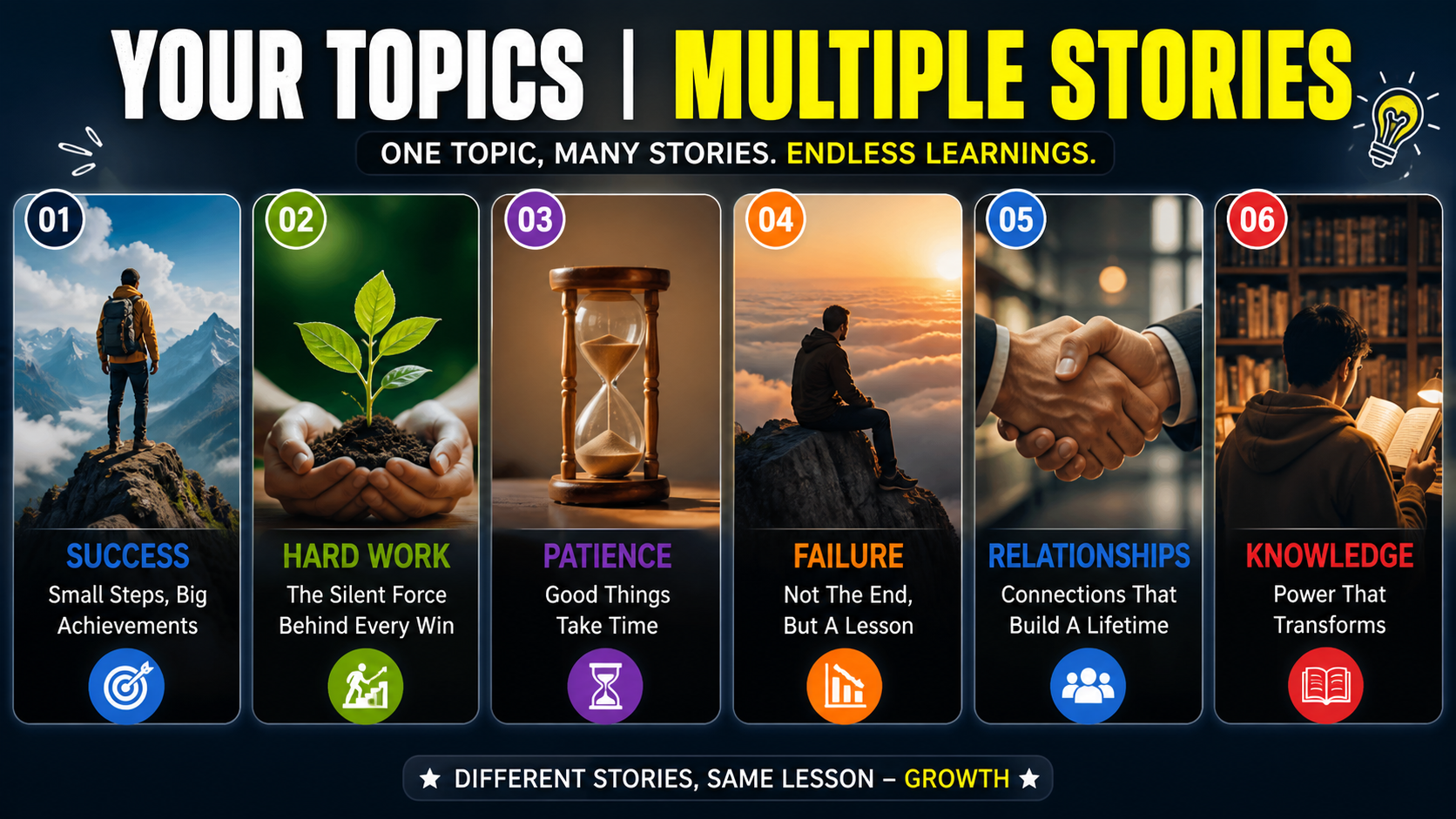
Introduction: The Power of Stories in Every Topic
In today’s digital age, the art of storytelling has evolved into a critical tool for engaging audiences. Stories are not just a form of entertainment; they are the bridges that connect emotions, knowledge, and experiences. Whether you are a writer, a marketer, or someone looking to share your knowledge, the ability to explore various topics through multiple stories can create an impact that resonates with people. This article delves into the concept of “your topics | multiple stories” and how it can elevate the way you connect with an audience, provide value, and keep them engaged.
The Role of Stories in Captivating an Audience
Before we dive into specific strategies, it’s essential to understand why stories have such a profound impact. Humans are wired for stories. Since ancient times, stories have been the method by which knowledge and cultural values have been passed down. In modern times, storytelling remains an essential element in creating connections, whether through advertising, blogs, or books. When we talk about “multiple stories,” it means using various narrative styles, experiences, and perspectives within a particular topic to ensure that the content remains engaging.
Crafting Stories Around Your Niche Topics
Not all topics are created equal. Some topics naturally lend themselves to storytelling, while others require more effort. A good place to start is by identifying your niche. A niche topic allows you to tailor multiple stories around specific themes that will resonate with your audience. For example, if your topic is about travel, you can create multiple stories from the perspective of different travelers, each offering unique insights into a destination.
Another effective way to craft stories within your topics is by focusing on experiences. People connect with real-life stories. If you’re discussing a technical topic, infuse your stories with practical examples or case studies. This approach allows readers to not only understand the topic but also to see its real-world implications.
How to Identify the Right Stories for Your Topic
Not every story will work for every topic. It’s crucial to select stories that not only align with your topic but also support the main message you wish to convey. One method for identifying the right stories is to conduct thorough research within your niche. Read other content, watch videos, and gather insights from multiple sources.
Another effective strategy is to tap into user-generated content. People who are passionate about a topic often share their personal stories. Whether it’s through social media, forums, or direct feedback, these real-world accounts can provide a wealth of material to enrich your own stories.
Structuring Multiple Stories within a Single Topic
Once you have identified multiple stories relevant to your topic, structuring them effectively is the next challenge. The key is to balance your content so that each story contributes to the larger narrative without overwhelming the reader. Here’s how to structure your article:
- Introduction to the Topic: Open with an engaging hook that introduces the importance of the topic and why multiple stories will be explored. Keep it relevant to your audience’s needs.
- Breaking Down Stories into Sections: Each story should be presented as a separate section with its own introduction, middle, and conclusion. This allows readers to process each narrative individually before moving on to the next.
- Connecting the Dots: After telling each story, connect them back to the core theme of the article. Whether it’s the value of learning from diverse experiences or highlighting the importance of a particular topic, make sure every story ties back to the main message.
The Importance of a Diverse Range of Stories
Incorporating multiple stories allows for a richer, more diverse experience. In many topics, there will be varying perspectives and experiences that can shed light on different aspects of the subject matter. For example, if you are writing about health and wellness, you might include stories about how different people have tackled their fitness journeys.
This diversity helps broaden the scope of your content, ensuring it appeals to a larger audience. Different people relate to different experiences, so the more stories you can provide, the more likely it is that your audience will connect with at least one.
Using Multiple Storytelling Formats to Engage Your Audience
While written stories are essential, today’s digital landscape provides numerous other formats for storytelling. Combining various storytelling formats can enhance engagement and keep your audience interested.
- Written Content: The traditional method of storytelling, which can be structured into blog posts, articles, and case studies.
- Visual Storytelling: Using images, infographics, and videos to tell a story can complement written content. Visuals help break up the monotony of long-form content and add an element of creativity.
- Interactive Content: Interactive elements like quizzes, polls, and surveys provide your audience an opportunity to contribute their stories and opinions.
By using a combination of formats, you can ensure that your content appeals to different preferences and learning styles.
How to Make Your Stories Relatable to Your Audience
When crafting your stories, the most important thing is to keep your audience in mind. Understanding their desires, challenges, and aspirations will allow you to tailor your stories in ways that resonate. Here are some strategies to make your stories relatable:
- Empathy: Put yourself in your audience’s shoes. Understand their struggles and triumphs and weave these emotions into your stories.
- Personalization: Whenever possible, personalize the story. You can add names, locations, or even scenarios that make the story feel more authentic.
- Realism: While storytelling can be creative, the stories must remain grounded in reality. Readers will connect more deeply with stories that reflect real experiences.
The SEO Benefits of Multiple Stories in Your Content
One of the key reasons to incorporate multiple stories into your articles is the SEO benefits. Stories naturally increase engagement time, reduce bounce rates, and enhance the shareability of your content. Here’s how to optimize your stories for search engines:
- Keyword Usage: Strategically include your focus keyword, “your topics | multiple stories,” along with related terms throughout the article. Ensure that the keywords appear naturally within the text.
- Long-Tail Keywords: Stories naturally lend themselves to long-tail keywords, as they often contain specific phrases that people might search for. For example, “how to craft a story about [specific experience]” could be a long-tail keyword.
- Internal and External Linking: Include links to related articles on your website and credible external sources. This helps search engines understand the context of your content and improves your SEO ranking.
Balancing Storytelling with Valuable Information
While stories are captivating, your audience also expects to learn something valuable. Balance your storytelling with informative content that educates, informs, or provides actionable insights. For example, after each story, provide key takeaways that will help the reader understand the significance of the story in relation to your topic.
This approach ensures that your content is not just engaging but also practical, making it more likely to be shared, bookmarked, and revisited.
Conclusion: The Impact of Multiple Stories on Your Content Strategy
In conclusion, “your topics | multiple stories” can be a game-changer for content creation. By weaving multiple stories around a single topic, you not only keep your audience engaged but also provide them with diverse perspectives, practical insights, and emotional connections. Whether you are trying to inform, entertain, or inspire, the ability to explore various stories within your topic creates an immersive experience for your readers.
As you plan your content, remember that stories are not just a filler; they are a powerful tool that can elevate your messaging, increase your SEO ranking, and create a lasting impact on your audience. The next time you write about a topic, consider how you can incorporate multiple stories to enrich your content and offer more value.
FAQs
- Why should I use multiple stories in my content?
- Multiple stories help provide diverse perspectives, engage different reader emotions, and make your content more relatable.
- How do I structure multiple stories within an article?
- Each story should have its own section with a clear introduction, body, and conclusion. Ensure that each story ties back to the main topic.
- Can I use multiple formats for storytelling?
- Yes, using a combination of written content, visuals, and interactive elements can make your storytelling more engaging.
- How can I ensure my stories are relatable to my audience?
- Understand your audience’s struggles, aspirations, and preferences. Personalize the stories and keep them grounded in real experiences.
- What SEO benefits do I get from using multiple stories?
- Multiple stories increase engagement time, improve SEO ranking through keyword integration, and make your content more shareable.