



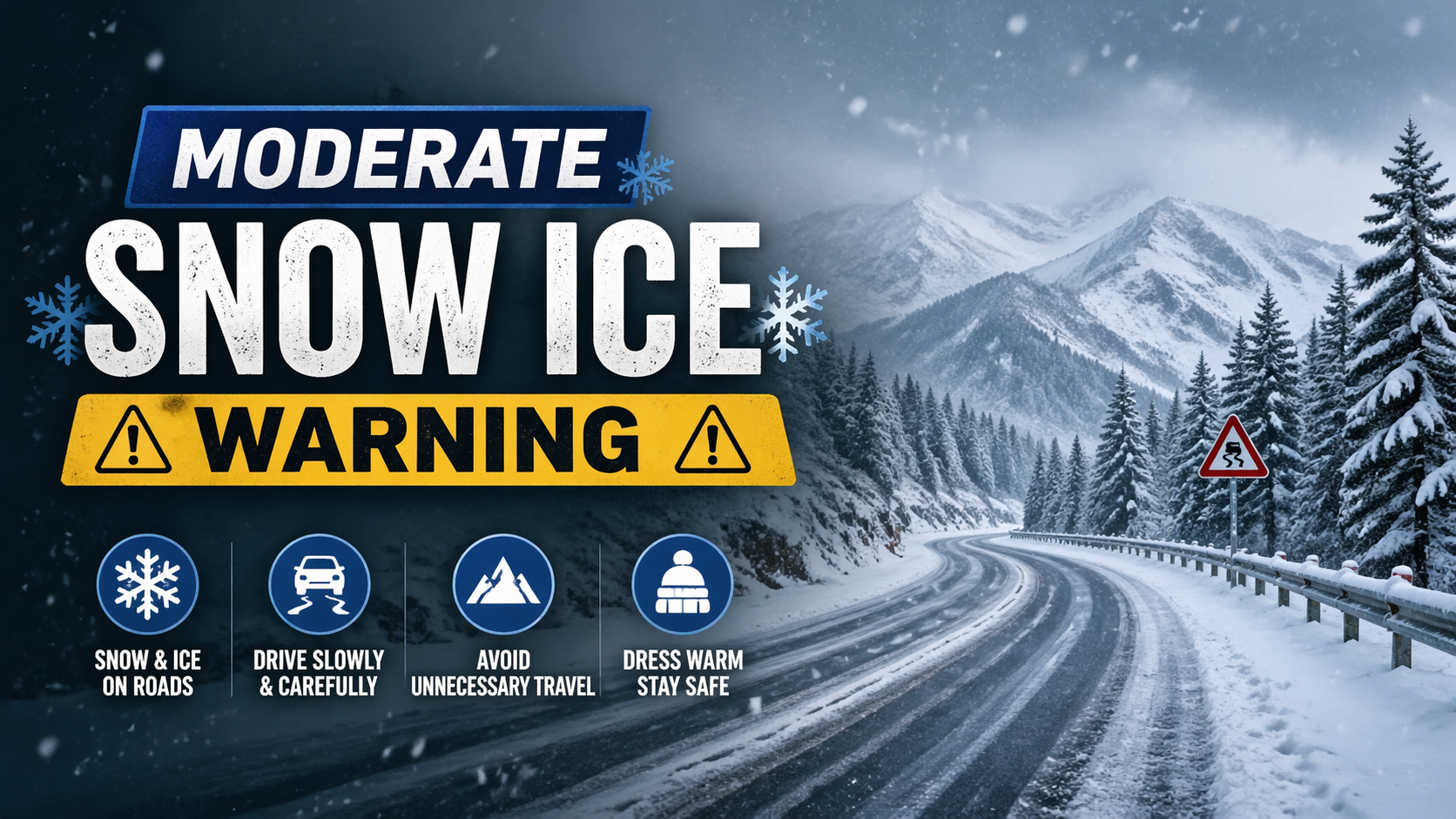
Winter brings with it various weather hazards, and a “Moderate Snow Ice Warning” is one of the most important alerts to pay attention to. These warnings indicate snow and ice conditions that can pose significant dangers to both travelers and residents. Understanding the meaning of such warnings and knowing how to stay safe is crucial for minimizing risks. In this article, we’ll explain what a Moderate Snow Ice Warning is, how it affects your daily life, and the best safety practices to follow.
What Is a Moderate Snow Ice Warning?
A Moderate Snow Ice Warning is issued by meteorological agencies to inform the public about upcoming winter weather conditions, typically involving snow and ice accumulation. It means that moderate amounts of snow, ice, or a combination of both are expected to affect an area, leading to hazardous conditions. The term “moderate” indicates that while the situation is not as severe as a “heavy” snow or ice event, it is still significant enough to cause disruption.
This warning often applies to areas that may experience snow accumulations between 2 to 4 inches or moderate ice coverage. The key concern with this warning is the potential for slick and icy road conditions, reduced visibility, and increased risk of accidents.
The Dangers of Moderate Snow and Ice Conditions
While a Moderate Snow Ice Warning may not sound as severe as more extreme weather events, it still presents considerable dangers. Here’s why:
1. Slick Roads and Treacherous Driving Conditions
The main concern with snow and ice is the impact it has on the roads. Moderate snow accumulation combined with ice can create slippery surfaces that make driving hazardous. Cars are more likely to lose traction, and stopping distances increase significantly, especially when ice forms on bridges and overpasses.
2. Reduced Visibility
Heavy snow or ice can obscure road signs, traffic signals, and other important driving markers. In addition, snowstorms often come with low visibility, making it difficult for drivers to see other vehicles or pedestrians. This is especially dangerous on highways or areas where fast-moving traffic is common.
3. Property Damage
Snow and ice can also cause damage to trees, roofs, and other structures. Ice accumulation on power lines or tree branches can result in them breaking off, leading to power outages and debris in streets.
4. Health Risks
Walking or moving around during icy conditions can be risky. Slips and falls are common during winter, particularly in places where sidewalks are not properly treated. Ice can also cause serious injuries, such as fractures or sprains, especially for the elderly.
How to Stay Safe During a Moderate Snow Ice Warning
When a Moderate Snow Ice Warning is issued, it’s important to take the right steps to protect yourself, your family, and your property. Here are some tips on staying safe:
1. Stay Informed and Prepared
First and foremost, make sure you’re well-informed about the weather. Keep an eye on weather alerts through your phone, television, or radio. If you’re in an area where the warning has been issued, consider postponing travel if possible. Always check road conditions and closures before you leave your home.
2. Prepare Your Vehicle
If you absolutely need to travel, ensure your vehicle is ready for the weather conditions. Here are some steps to follow:
- Check your tires: Make sure your car has appropriate winter tires that can handle slippery roads.
- Keep emergency supplies: Pack essentials like water, blankets, a flashlight, and snacks in case of an emergency.
- Keep your gas tank full: This prevents your fuel line from freezing.
- Clear snow and ice off your car: Always ensure your windshield, headlights, and mirrors are clear of snow and ice.
3. Avoid Traveling in Extreme Conditions
If you can avoid traveling during a Moderate Snow Ice Warning, it’s best to stay home. Conditions can worsen rapidly, and you may find yourself stuck in traffic or in a dangerous situation. If you must travel, keep your speed low, leave plenty of space between you and other vehicles, and use your headlights, even during the day.
4. Drive Defensively
Even if you need to drive, always exercise caution. Moderate snow and ice can cause sudden changes in road conditions, so driving at a slower speed is key. Here are some tips:
- Brake gently to avoid skidding.
- Maintain a longer distance between you and other vehicles.
- Use low-beam headlights to improve visibility without reflecting off the snow.
5. Take Extra Care on Walkways
When you’re walking outside, pay attention to icy patches. Walk cautiously, taking shorter steps and wearing shoes with good traction. It’s a good idea to salt or sand driveways and walkways to minimize the risk of slipping.
What to Do in Case of an Emergency
Despite your best efforts to prepare, emergencies can still happen. Here’s what to do if you find yourself in a dangerous situation:
- If your vehicle gets stuck: Don’t panic. Stay in your car and wait for help. Turn on your hazard lights and, if possible, keep the car running for warmth (while ensuring the exhaust pipe is clear).
- If you slip and fall: Try not to panic. If you’ve injured yourself, call for medical help. In severe cases, head to the hospital immediately.
The Importance of Monitoring Local Alerts and Advisories
During winter, local weather agencies provide continuous updates on snow and ice conditions. For those living in areas with frequent Moderate Snow Ice Warnings, it’s essential to keep up with these updates. Apps like NWS Weather, AccuWeather, or your local news stations are good resources to stay informed.
Additionally, be aware of local advisories that may go beyond just snow and ice warnings, such as Wind Chill Advisories, Freezing Rain Warnings, or Blizzard Warnings, which may present additional risks.
Winterizing Your Home for Snow and Ice
Ensuring your home is properly prepared for snow and ice is essential during winter months. Here are some things you can do to winterize your home:
- Insulate your pipes: Protect pipes in unheated areas to prevent them from freezing.
- Check your roof: Ensure that gutters are clean and that your roof can handle snow accumulation. Remove excess snow from flat roofs to prevent damage.
- Stock up on essentials: Keep a supply of food, water, and medications in case of power outages.
What to Do After the Snow and Ice Melt
Once the snow and ice have melted, it’s still important to remain vigilant:
- Check for water damage: Inspect your home for any signs of water leaks or flooding that may have been caused by melting snow or ice.
- Clear away any debris: Ice can cause tree limbs or other debris to fall, so take care to clear any remaining hazards from your yard or driveway.
Conclusion: Stay Safe and Stay Prepared
A Moderate Snow Ice Warning signals that winter conditions can create serious hazards on the roads and in daily life. While it may not be as severe as other weather warnings, the risks of icy conditions should not be underestimated. By staying informed, preparing your vehicle and home, and taking proper precautions when walking or driving, you can reduce the chances of accidents and injuries.
It’s always better to err on the side of caution when dealing with winter weather. Following these tips will help ensure that you and your loved ones stay safe during a Moderate Snow Ice Warning. Keep a proactive mindset, stay alert, and take action when necessary—winter weather can change quickly, but with preparation, you can handle it effectively.